
Anxiety disorders, affecting millions globally, are managed through comprehensive assessments by mental health professionals using criteria from manuals like the DSM-5. Effective treatments combine therapeutic approaches such as Cognitive-Behavioral Therapy (CBT), Mindfulness-Based Therapies, exposure therapy, and group therapy.Panic Disorder Therapy programs offer a structured, holistic approach, including CBT, mindfulness exercises, and gradual exposure to feared situations. Integrative care combines evidence-based therapies with alternative practices, lifestyle adjustments, and supportive networks for a comprehensive anxiety disorder treatment plan.
“Unraveling the complexities of anxiety disorders, this comprehensive guide offers a detailed look at effective treatment options. Anxiety disorder treatment involves a multifaceted approach, addressing symptoms that can significantly impact daily life. We explore various therapeutic techniques, highlighting how specialized programs like panic disorder therapy can provide targeted relief.
From understanding diagnostic criteria to discussing integrative care, this article equips readers with knowledge on navigating and managing anxiety disorders.”
- Understanding Anxiety Disorder: Symptoms and Diagnosis
- Therapeutic Approaches for Effective Treatment
- Panic Disorder Therapy Programs: A Focused Approach
- Integrative Care and Support for Long-Term Management
Understanding Anxiety Disorder: Symptoms and Diagnosis
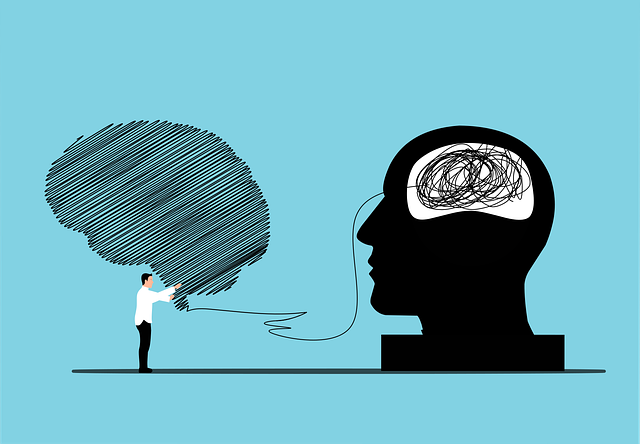
Anxiety disorders are characterized by persistent, excessive, and intrusive worry or fear that interferes with daily functioning. They affect millions worldwide and can manifest in various forms, including Generalized Anxiety Disorder (GAD) and Panic Disorder. Individuals with GAD experience excessive and uncontrollable concern over everyday matters, such as work, health, or minor events, leading to restlessness and difficulty concentrating. On the other hand, panic disorder involves recurrent and unexpected panic attacks, which are intense periods of fear accompanied by physical symptoms like rapid heartbeat, sweating, and shortness of breath.
Diagnosis for anxiety disorders is based on comprehensive assessments conducted by mental health professionals. This typically includes a thorough review of personal history, family history, and current symptoms. Specific criteria outlined in diagnostic manuals, such as the Diagnostic and Statistical Manual of Mental Disorders (DSM-5), are used to distinguish between different types of anxiety disorders. Early identification and proper diagnosis are crucial for effective treatment, enabling individuals to manage their symptoms and improve their overall quality of life through tailored interventions like cognitive-behavioural therapy (CBT) or medication, among others.
Therapeutic Approaches for Effective Treatment

The effective treatment of anxiety disorders often involves a combination of therapeutic approaches tailored to address specific symptoms and triggers. Cognitive-Behavioral Therapy (CBT) is a well-established method for treating various anxiety disorders, including Generalized Anxiety Disorder (GAD) and panic disorder. CBT focuses on identifying and modifying unhelpful thought patterns and behaviors that contribute to anxiety. This therapy teaches individuals coping strategies to manage their symptoms, helping them face fears in a safe environment. Exposure therapy, a subtype of CBT, is particularly effective for panic disorder, where patients gradually confront situations that induce panic attacks until these responses diminish over time.
Additionally, Mindfulness-Based Therapies gain prominence as an alternative approach, emphasizing present-moment awareness to reduce anxiety. Techniques like meditation and deep breathing help individuals stay grounded and manage overwhelming emotions. For social anxiety treatment, group therapy has proven beneficial, providing a supportive environment to practice interpersonal interactions and build confidence. Combining these therapeutic methods, many professionals offer comprehensive anxiety disorder treatment plans, ensuring personalized care for optimal results in anxiety therapy.
Panic Disorder Therapy Programs: A Focused Approach

Panic Disorder Therapy programs are designed to help individuals manage and overcome their fear and distress related to panic attacks. These programs take a focused approach, often combining various therapeutic techniques tailored to address the specific symptoms and triggers associated with panic disorder. Cognitive-Behavioral Therapy (CBT) is one of the most effective evidence-based methods, teaching individuals how to identify and change unhelpful thought patterns and behaviors contributing to their anxiety.
Through structured sessions, patients learn coping strategies such as relaxation techniques, mindfulness exercises, and exposure therapy, gradually facing feared situations in a safe environment. This holistic approach not only targets the immediate symptoms of panic attacks but also equips individuals with long-lasting tools for managing stress and preventing recurrence, ultimately enhancing their overall quality of life and well-being in relation to anxiety disorder treatment.
Integrative Care and Support for Long-Term Management

Integrative care offers a holistic approach to managing anxiety disorders, focusing on both psychological and physical well-being for long-term success in anxiety disorder treatment. This involves combining evidence-based therapeutic practices, such as cognitive behavioural therapy (CBT) and mindfulness techniques, with alternative treatments like yoga, meditation, and lifestyle adjustments. By addressing the root causes of anxiety and promoting overall mental and physical health, individuals can develop effective coping mechanisms for ongoing management.
Supportive networks play a crucial role in this process. Access to understanding friends, family, or support groups provides encouragement and reassurance during the journey towards recovery from GAD treatment or social anxiety treatment. This combined approach—integrative care coupled with robust support systems—empowers individuals to manage their symptoms, enhance resilience, and lead fulfilling lives despite the challenges of anxiety disorders.
Comprehensive anxiety disorder treatment involves a multifaceted approach, combining diagnostic accuracy with therapeutic methods tailored to individual needs. Therapeutic approaches, such as cognitive-behavioral therapy (CBT), mindfulness practices, and medication management, have proven effective in addressing the core symptoms and improving quality of life for those struggling with anxiety disorders. Panic disorder therapy programs, focusing on targeted interventions, offer specialized care for specific panic-related challenges. Integrative care, encompassing mental health professionals, support groups, and self-care strategies, plays a crucial role in long-term management, enabling individuals to successfully navigate their journey towards anxiety freedom.