

Anxiety disorder treatment involves understanding and managing persistent worry or fear that impacts daily life, diagnosed according to DSM-5 criteria. Personalized options include cognitive-behavioral therapy (CBT), mindfulness, medication, or a combination for conditions like social anxiety and generalized anxiety disorder (GAD). For panic disorder, CBT and exposure therapy are effective; long-term recovery requires self-care, stress management, support networks, goal setting, and coping strategies.
Anxiety disorders are prevalent mental health conditions characterized by persistent, excessive fear and worry. This article explores comprehensive approaches to treating anxiety disorder symptoms, with a focus on panic disorder therapy. We delve into understanding the diagnostic criteria, examining multidisciplinary treatment methods, and highlighting effective focused therapies like Cognitive Behavioral Therapy (CBT). Additionally, we discuss supportive measures and maintenance strategies for long-term recovery, offering valuable insights into managing and overcoming anxiety disorders.
- Understanding Anxiety Disorder: Symptoms and Diagnostic Criteria
- Approaches to Anxiety Disorder Treatment: A Multidisciplinary Perspective
- Focused Therapies for Panic Disorder: Cognitive Behavioral Therapy (CBT) and More
- Supportive Measures and Maintenance Strategies for Long-Term Recovery
Understanding Anxiety Disorder: Symptoms and Diagnostic Criteria
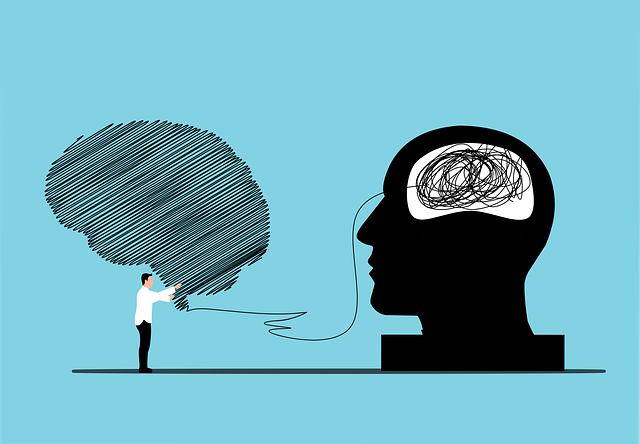
Anxiety disorder treatment begins with understanding the condition itself. Anxiety disorders are characterized by persistent and excessive worry or fear that interferes with daily life. They include conditions like generalized anxiety disorder (GAD), panic disorder, and social anxiety disorder. Symptoms can vary but often include restlessness, irritability, muscle tension, fatigue, difficulty concentrating, and recurring panic attacks. Individuals may also experience a strong desire to avoid situations that trigger anxiety or have distressing physical symptoms like rapid heartbeat, sweating, and shortness of breath.
Diagnosis for anxiety disorders is based on specific criteria outlined in the Diagnostic and Statistical Manual of Mental Disorders (DSM-5). Healthcare professionals assess the severity and duration of symptoms, as well as their impact on daily functioning. For accurate diagnosis and effective anxiety therapy, it’s crucial to seek professional help from a mental health expert who can provide appropriate anxiety disorder treatment tailored to the individual’s needs. This may include cognitive-behavioral therapy (CBT), mindfulness techniques, medication, or a combination of these strategies for optimal social anxiety treatment and GAD treatment.
Approaches to Anxiety Disorder Treatment: A Multidisciplinary Perspective
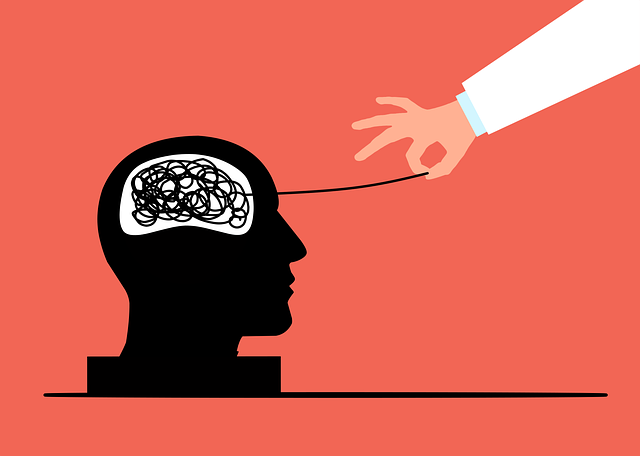
Anxiety disorder treatment takes a multidisciplinary approach, recognizing that each individual’s experience with anxiety is unique. This means tailoring therapy programs to address specific needs and symptoms, often involving a combination of evidence-based practices. Psychotherapy, such as cognitive behavioral therapy (CBT), remains a cornerstone in anxiety disorder treatment. CBT helps individuals identify and change unhelpful thought patterns and behaviors contributing to anxiety. In the case of panic disorder, exposure therapy is particularly effective, gradually exposing individuals to situations that trigger panic attacks to reduce their fear and anxiety over time.
Social anxiety treatment may incorporate group therapy, where individuals can learn coping skills in a supportive environment, while generalized anxiety disorder (GAD) treatment might focus on mindfulness techniques and relaxation strategies to help manage persistent worry and tension. Medication, when combined with therapy, can also play a significant role in anxiety disorder treatment, offering additional support for those struggling with severe symptoms.
Focused Therapies for Panic Disorder: Cognitive Behavioral Therapy (CBT) and More

For individuals struggling with panic disorder, focused therapies like Cognitive Behavioral Therapy (CBT) have proven highly effective. CBT helps patients identify and challenge negative thought patterns associated with panic attacks, teaching them coping mechanisms to manage their symptoms. By focusing on the connection between thoughts, feelings, and behaviors, CBT empowers individuals to regain control over their lives and reduce the frequency and intensity of panic episodes.
In addition to CBT, other therapeutic approaches like exposure therapy play a crucial role in anxiety disorder treatment, particularly for panic disorder. Exposure therapy gradually exposes patients to situations that trigger panic attacks, helping them face their fears in a safe environment. This process allows individuals to learn that their feared outcomes are unlikely to occur, ultimately reducing anxiety and avoidance behaviors associated with panic disorder. Combining these focused therapies with support from mental health professionals can significantly improve outcomes for those seeking anxiety therapy and GAD treatment.
Supportive Measures and Maintenance Strategies for Long-Term Recovery

After completing an intensive anxiety disorder treatment or panic disorder therapy program, maintaining long-term recovery is crucial. This involves implementing supportive measures and adopting effective maintenance strategies. One key aspect is engaging in ongoing self-care practices such as regular exercise, sufficient sleep, and a balanced diet—all of which contribute to emotional well-being and help manage symptoms. Additionally, practicing mindfulness techniques and stress management skills learned during therapy can prevent anxiety from reappearing.
Support networks also play a vital role in sustaining recovery. Maintaining open communication with loved ones, therapists, or support groups ensures ongoing guidance and encouragement. Regular check-ins and periodic reviews of personal goals can help individuals stay on track and adapt their strategies as needed. Moreover, recognizing triggers and developing coping mechanisms for stressful situations enables those in recovery to navigate challenges without relapsing into anxiety disorders like GAD or social anxiety treatment.
Anxiety disorders are manageable with the right combination of therapeutic approaches, including cognitive behavioral therapy, mindfulness practices, and supportive care. By addressing symptoms holistically, individuals can lead fulfilling lives free from the constraints of anxiety. Effective anxiety disorder treatment involves a multidisciplinary team, tailored interventions, and long-term maintenance strategies to ensure sustained recovery. Remember that seeking help is a courageous step towards reclaiming your well-being.