

Anxiety disorder treatment involves understanding the condition, characterized by excessive worry or fear impacting daily life, leading to symptoms like restlessness and sleep disturbances. Diagnosis includes a mental health professional's evaluation. Specific types include generalized anxiety disorder (GAD), social anxiety, and panic disorder, each treated with tailored therapies such as cognitive-behavioral therapy (CBT) and exposure therapy. Holistic approaches like mindfulness and medication management also address root causes. For panic disorder, CBT and exposure therapy are particularly effective. Supportive measures include building a support network, practicing mindfulness, and incorporating regular physical activity for improved well-being and quality of life.
Anxiety disorders, affecting millions globally, are a prevalent mental health concern. This article offers an in-depth look at comprehensive strategies for managing these conditions, focusing on both general approaches and specific treatments for panic disorder. Understanding the symptoms and diagnosis of anxiety is crucial for effective treatment. We explore various therapy programs, from cognitive-behavioral therapy (CBT) to exposure therapy, providing a roadmap for recovery. Additionally, we discuss supportive measures to enhance therapeutic outcomes.
- Understanding Anxiety Disorder: Symptoms and Diagnosis
- Approaches to Anxiety Disorder Treatment
- Targeting Panic Disorder Specifically: Therapy Programs
- Supportive Measures for Effective Recovery
Understanding Anxiety Disorder: Symptoms and Diagnosis
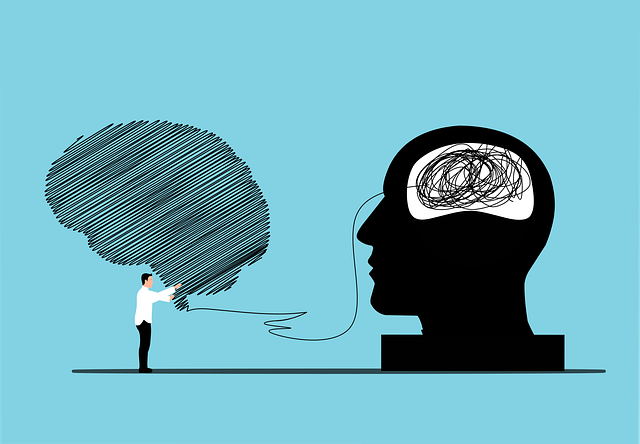
Anxiety disorder treatment begins with understanding the condition. Anxiety disorders are characterized by excessive and persistent worry or fear that interferes with daily life. Symptoms can include restlessness, fatigue, difficulty concentrating, irritability, muscle tension, and sleep disturbances. Individuals with anxiety disorders often experience panic attacks, which are sudden episodes of intense fear accompanied by physical symptoms like rapid heartbeat, sweating, and shortness of breath.
Diagnosis involves a comprehensive evaluation by a mental health professional. This typically includes a detailed discussion about symptoms, personal history, and any relevant family history. Specific types of anxiety disorders include generalized anxiety disorder (GAD), social anxiety treatment, and panic disorder. Each has its unique set of symptoms and triggers, but all share the common thread of excessive fear or worry that is out of proportion to the situation. Identifying the specific disorder is crucial for tailoring effective anxiety therapy, which may include cognitive-behavioral therapy (CBT) or other evidence-based approaches.
Approaches to Anxiety Disorder Treatment

Anxiety disorder treatment involves a multi-faceted approach tailored to address specific symptoms and underlying causes. Cognitive Behavioral Therapy (CBT) is a widely recognized and effective method for treating various anxiety disorders, including Generalized Anxiety Disorder (GAD) and Social Anxiety Disorder. CBT helps individuals identify and challenge negative thought patterns and behaviors that contribute to anxiety, focusing on building healthier coping mechanisms and improving overall well-being.
Other therapeutic approaches include Exposure Therapy, which gradually exposes individuals to anxiety-provoking situations in a safe environment, promoting desensitization and reducing fear responses. Mindfulness-based therapies, such as Mindfulness-Based Cognitive Therapy (MBCT), teach individuals to stay present and non-judgmentally aware of anxious thoughts and sensations, fostering better emotional regulation. Additionally, medication management, often combined with therapy, can play a significant role in managing symptoms, offering relief for those struggling with anxiety disorders.
Targeting Panic Disorder Specifically: Therapy Programs

Panic disorder is a specific type of anxiety disorder characterized by recurrent and unexpected panic attacks, leaving individuals with persistent fear and concern about future episodes. Targeting this particular condition requires specialized therapy programs designed to help patients understand and manage their symptoms effectively. Cognitive Behavioral Therapy (CBT) is one of the most effective approaches for treating panic disorder. It focuses on identifying and changing negative thought patterns and behaviors that contribute to anxiety, enabling individuals to confront and reduce their fear responses during panic attacks.
Through exposure therapy, a component of CBT, patients gradually face situations or triggers that induce panic in a safe and controlled environment, helping them learn coping strategies and build resilience. Additionally, relaxation techniques and mindfulness practices are integral parts of these programs, teaching individuals how to calm their minds and bodies during moments of heightened anxiety. Such tailored therapy options not only offer relief from symptoms but also empower those affected by panic disorder to regain control over their lives, ultimately improving their overall well-being and quality of life.
Supportive Measures for Effective Recovery

In addition to structured therapy programs, several supportive measures play a crucial role in the effective recovery from anxiety disorders. One essential aspect is building a strong support network. This includes reaching out to friends and family who can offer understanding and encouragement throughout the journey. Support groups, both online and offline, are another valuable resource where individuals can share experiences and learn coping strategies from peers facing similar challenges, fostering a sense of community and belonging.
Mindfulness practices, such as meditation and deep breathing exercises, are proven to be effective in managing anxiety symptoms. These techniques help individuals focus on the present moment, reducing the impact of intrusive thoughts and worries. Incorporating regular physical activity into one’s routine is also beneficial, as exercise releases endorphins that can boost mood and alleviate stress levels, thereby enhancing overall well-being and GAD treatment outcomes.
Comprehensive anxiety disorder treatment and targeted panic disorder therapy programs offer effective paths to recovery. By understanding symptoms, leveraging diverse therapeutic approaches, and implementing supportive measures, individuals can effectively manage and overcome these conditions. For those struggling with anxiety or panic attacks, seeking professional help is a vital step towards reclaiming control over one’s life.