
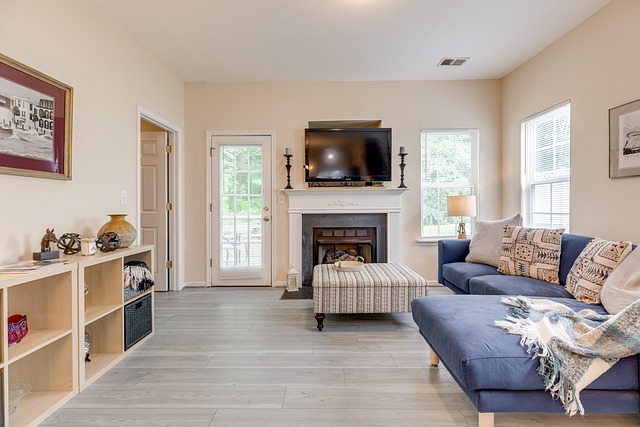
“Navigating the path to sobriety can be challenging, but understanding the options available is crucial. This article explores two distinct yet complementary approaches to long-term recovery: Sober Living Communities and specialized Recovery Residences. While Sober Living provides a safe, supportive environment for individuals in early recovery, Recovery Residences offer tailored programs focused on extended rehabilitation.
We’ll delve into the unique benefits of each, helping folks make informed choices.”
- Understanding Sober Living Communities: A Safe Space for Recovery
- The Role and Benefits of Recovery Residences: More Than Just Housing
- Comparing Options: Sober Living vs. Specialized Recovery Residences
Understanding Sober Living Communities: A Safe Space for Recovery

Sober living communities offer a unique and supportive environment tailored to those on their recovery journey. Unlike traditional recovery residences, which often focus on clinical treatment, these communities provide a safe, structured space for individuals to heal and rebuild their lives free from substances. Members of sober living arrangements typically share common areas, meals, and support each other through peer-to-peer encouragement, fostering a sense of community and accountability.
These communities prioritize creating a nurturing atmosphere where residents can develop coping mechanisms, learn life skills, and build resilience. With tailored programs and flexible stay options, individuals can progress at their own pace while surrounded by like-minded individuals who understand the challenges of addiction. This supportive network is instrumental in maintaining sobriety and serves as a foundation for long-term recovery success, making sober living an attractive alternative to clinical recovery residences.
The Role and Benefits of Recovery Residences: More Than Just Housing

Recovery residences go beyond providing basic housing for individuals in recovery. These specialized facilities offer a supportive environment, tailored programs, and access to resources that cater to the unique needs of those recovering from substance abuse or addiction. In this context, recovery residences serve as crucibles where residents can build resilience, cultivate healthy habits, and develop essential coping mechanisms.
Beyond accommodation, sober living environments foster social connections among peers with shared experiences, enhancing accountability and motivation. They often incorporate structured routines, counseling sessions, support groups, and educational workshops, all designed to facilitate long-term recovery. This holistic approach not only addresses the physical dimensions of healing but also nurtures psychological and emotional well-being, ultimately equipping individuals with the tools needed to sustain a sober lifestyle in a supportive community.
Comparing Options: Sober Living vs. Specialized Recovery Residences

When considering options for recovery, individuals often ponder between a Sober Living environment or specialized recovery residences. Both approaches have distinct features and cater to different needs in an individual’s journey towards sobriety.
Sober Living typically offers a more general support system where residents share a space while navigating their recovery. These environments emphasize community and peer support, promoting independence and self-reliance. In contrast, recovery residences are designed as specialized treatment centers that provide intensive care. They offer a structured program with tailored therapy sessions, life skills training, and around-the-clock supervision, addressing the complex needs of those struggling with addiction. While sober living encourages personal growth through community, recovery residences focus on comprehensive healing through professional guidance.