Intravenous (IV) drug use carries significant risks, but harm reduction techniques offer a vital approach to protect IV drug users' health. Programs like Project Purple and The Herron Project provide clean needles, drug rehab scholarships, and education on safer practices. These strategies minimize overdose potential, disease transmission, and encourage help-seeking behavior. Safe Injection Sites (SIS) reduce health risks and serve as gateways to support services. Medication-assisted treatment (MAT), community support, and counseling further enhance accessibility to recovery resources for IV drug users.
In the ongoing battle against heroin addiction, harm reduction techniques offer a crucial approach to mitigating risks and improving outcomes for intravenous (IV) drug users. This comprehensive article delves into essential strategies designed to support those grappling with heroin use disorder. We explore core principles, highlighting the significance of safe injection sites as impactful interventions. Additionally, we discuss alternative treatment options and emphasize the vital role of community support and access to healthcare services in fostering recovery.
Understanding Intravenous (IV) Drug Use and Its Risks
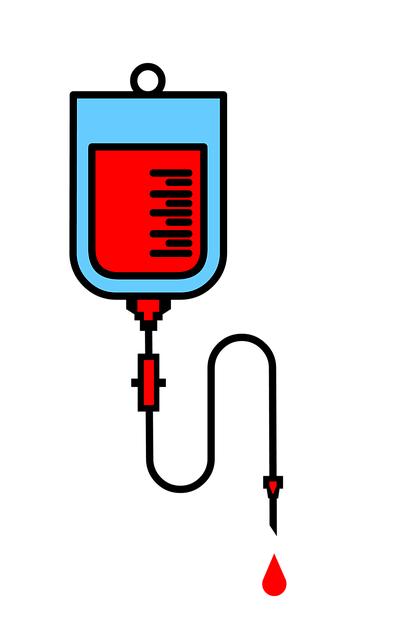
Intravenous (IV) drug use, particularly among heroin users, involves injecting drugs directly into the bloodstream, often through a needle and syringe. While this method allows for faster absorption and intense effects, it carries significant risks. IV drug use increases exposure to harmful substances, raises the risk of overdose due to inconsistent dosages, and significantly contributes to the transmission of blood-borne viruses (BBVs) such as HIV and hepatitis C. These dangers underscore the importance of harm reduction techniques for intravenous drug users.
Understanding these risks is crucial in developing effective strategies aimed at supporting IV drug users. Initiatives like the Herron Project or Project Purple exemplify harm reduction approaches, focusing on providing clean needles, access to drug rehab scholarships, and education on safer practices. By prioritizing the health and safety of these individuals, we can mitigate the detrimental effects of IV drug use while encouraging those seeking help to access available resources for long-term recovery.
Core Principles of Harm Reduction Strategies
Harm reduction strategies for intravenous drug users (IVDU) are predicated on a set of core principles designed to minimize risks and improve overall well-being. The primary goal is to reduce the negative consequences associated with drug use, rather than simply advocating abstinence. This approach recognizes that for many individuals, complete cessation may not be achievable in the short term, so it focuses on improving safety during and after drug use.
One key principle is providing access to clean and sterile equipment, which significantly lowers the risk of contracting blood-borne viruses like HIV/AIDS and hepatitis C. Another crucial aspect involves offering comprehensive counseling services tailored to address specific barriers and challenges faced by IVDU. Additionally, linking users with support networks, including peer mentoring programs and drug rehab scholarships or initiatives like Project Purple and The Herron Project, can facilitate a smoother transition towards recovery and reduce potential harm along the way.
Safe Injection Sites: A Key Interventions
Safe Injection Sites (SIS) have emerged as a powerful harm reduction strategy for intravenous drug users (IDU). These sites provide a controlled environment where individuals can inject drugs, reducing the risk of overdose and transmission of diseases like HIV/Hepatitis C. By allowing users to access clean needles and medical supervision, SIS aim to minimize the negative health consequences often associated with unsanitary injection practices. This intervention has proven effective in numerous studies, showing significant declines in drug-related deaths, infections, and arrests among regular attendees.
Moreover, SIS offer a gateway to further support services, including referrals for addiction treatment, mental health counseling, and social programs. Initiatives like Project Purple and similar harm reduction projects, including drug rehab scholarships, have contributed to the global recognition of SIS as a viable public health approach. For example, The Herron Project has highlighted successful models of SIS, demonstrating their potential to improve lives and reduce the burden on healthcare systems by addressing the root causes of intravenous drug use.
Alternative Treatment Options for Heroin Addiction

For many heroin users, traditional treatment methods like detox and rehabilitation centers might not be accessible or effective due to various personal and societal barriers. This is where harm reduction techniques step in as a vital approach to support intravenous drug users (IDUs). These strategies focus on minimizing the negative consequences associated with drug use rather than solely on abstinence. One prominent harm reduction program, often referred to as the Herron Project or Project Purple, offers comprehensive services tailored to IDUs, including access to sterile syringes and safe consumption sites. Such initiatives aim to reduce the risk of overdose, infection, and other health complications.
Alternative treatment options like medication-assisted treatment (MAT) play a crucial role in helping heroin users manage their addiction. MAT combines medications such as methadone or buprenorphine with behavioral therapies. This dual approach has proven successful in reducing cravings, preventing relapse, and improving overall quality of life for many individuals. Additionally, drug rehab scholarships and community-based support programs can make these treatments more accessible, ensuring that those who need help receive it without financial barriers.
Community Support and Access to Healthcare Services

Community support plays a pivotal role in harm reduction strategies for intravenous (IV) drug users. Creating safe and inclusive spaces where individuals can access resources and connect with peers, healthcare providers, and social services is essential. Many organizations and initiatives, such as Project Purple and The Heron Project, focus on fostering these environments, offering not only medical aid but also counseling, education, and support groups. These community-based efforts aim to reduce the stigma associated with drug use, encourage users to seek help, and provide a network that promotes recovery and overall well-being.
Access to healthcare services is another critical aspect. Harm reduction programs often work hand-in-hand with medical facilities to ensure IV drug users can receive necessary care, including treatment for overdoses, infections, and other health issues. Drug rehab scholarships also play a significant role in making these services more accessible, helping individuals overcome financial barriers that might prevent them from seeking help. By combining community support and healthcare access, harm reduction techniques create a comprehensive approach to addressing the challenges faced by intravenous drug users.