

Elderly depression is a complex issue, requiring personalized treatments that account for physical health decline, loss of independence, and social isolation. Geriatric psychiatry professionals are developing specialized programs addressing unique challenges like cognitive changes and addiction co-occurring with mental health issues. Holistic care, including tailored interventions, integrated care models, and community support systems, enhances recovery chances and improves overall well-being for older adults. Family involvement through education and open communication also strengthens support mechanisms, fostering better mental health outcomes in the elderly.
Mental health and addiction issues among older adults pose unique challenges due to increased vulnerability and complex life circumstances. This article explores tailored approaches to address these concerns, focusing on effective elderly depression treatment strategies. We delve into recognizing specific mental health risks in seniors, integrating addictive behaviors with co-occurring disorders, and building robust support systems through community and family involvement. Understanding these nuances is vital for fostering holistic recovery in this demographic.
- Understanding Elderly Depression: Recognizing the Unique Challenges of Older Adults
- Tailored Treatment Approaches for Senior Mental Health
- Integrating Addictive Behaviors and Co-Occurring Disorders in Elderly Care
- Building Support Systems: Community and Family Involvement in Recovery
Understanding Elderly Depression: Recognizing the Unique Challenges of Older Adults

Depression among older adults is a prevalent yet often overlooked issue. As people age, they may experience a range of unique challenges that contribute to or exacerbate depression. These include physical health decline, loss of independence, social isolation, and changes in routine, all of which can significantly impact mental well-being. Recognizing these specific factors is crucial for developing effective elderly depression treatment plans.
The complexities of geriatric psychiatry demand tailored interventions. Senior addiction to substances or behaviors may coexist with depression, making co-occurring disorder treatment essential. Addressing the holistic needs of older adults involves considering not only their psychological state but also their overall physical and social environments. This comprehensive approach ensures that treatment strategies are aligned with the unique circumstances of each individual, fostering better outcomes in elderly mental health management.
Tailored Treatment Approaches for Senior Mental Health
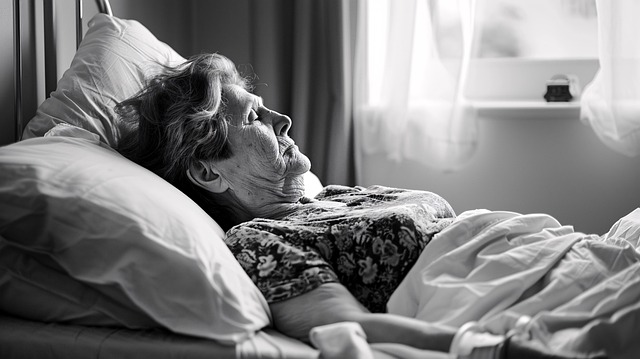
In addressing mental health concerns among older adults, it’s crucial to recognize that treatment approaches need to be tailored to their unique needs and challenges. As elderly depression treatment becomes a growing focus, professionals in geriatric psychiatry are developing specialized programs. These initiatives consider the complex interplay of physical health issues, cognitive changes, and social dynamics that often accompany aging.
Tailored interventions may include cognitive-behavioral therapy (CBT) adapted for specific age-related concerns, group therapy sessions that foster peer support and engagement, and integrated care models combining medical and mental health services. By adopting these customized strategies, we aim to enhance the effectiveness of treatment while addressing the intricate web of issues faced by senior addiction and elderly mental health sufferers.
Integrating Addictive Behaviors and Co-Occurring Disorders in Elderly Care

Integrating addictive behaviors and co-occurring disorders is a critical aspect of elderly care. As our population ages, it’s essential to recognize that older adults can struggle with addiction and mental health issues just as younger individuals do. Traditional treatment programs often fail to address these complex interplay due to ageist assumptions or a lack of specialized training. However, modern geriatric psychiatry approaches emphasize holistic care, considering the unique psychological, social, and physical needs of seniors.
Treating elderly depression, for example, requires a nuanced understanding that it may co-occur with addiction, such as substance abuse or problematic gambling. By integrating these treatments, healthcare professionals can offer more effective interventions tailored to the individual’s specific challenges. This approach ensures that older adults receive comprehensive support, enhancing their chances of recovery and improving overall well-being.
Building Support Systems: Community and Family Involvement in Recovery
Building strong support systems is integral to effective elderly depression treatment and recovery. Community involvement plays a significant role by offering various programs tailored for seniors’ unique needs, such as social groups, support networks, and educational workshops designed to combat stigma and promote mental well-being. These initiatives foster a sense of belonging, encourage participation in meaningful activities, and provide opportunities for peer connections, all of which contribute to improved mental health outcomes for older adults.
Family members are another crucial component of recovery. Incorporating family involvement in geriatric psychiatry treatments can enhance coping strategies and strengthen support mechanisms within the household. By educating families about senior addiction and mental health challenges, fostering open communication channels, and encouraging active participation in therapy sessions, loved ones become empowered allies on the journey to recovery. This collaborative approach not only benefits the individual receiving treatment but also strengthens family bonds through improved understanding and shared experiences.
Elderly depression treatment requires specialized approaches that address the unique challenges faced by older adults. By integrating tailored mental health programs, recognizing co-occurring disorders, and fostering strong support systems through community and family involvement, we can significantly enhance recovery outcomes for seniors. Understanding these specific needs is crucial in providing effective care for this vulnerable population, ensuring they receive the compassionate and comprehensive assistance they deserve.