Intravenous (IV) drug use among heroin addicts poses significant health risks, including infections, vascular damage, and overdoses. Harm reduction techniques, like those employed by Project Purple and the Herron Project, focus on safer practices, non-judgmental support, and tailored interventions to minimize negative consequences. Safe Injection Sites (SIS) provide a controlled environment for safe drug use, reducing overdose and disease risks. Medications like naloxone offer immediate overdose relief, and programs like Project Purple supply clean needles, counseling, and rehab scholarships. Holistic strategies addressing physical dependence and underlying issues, including medical care, mental health support, and education, enhance successful recovery outcomes for IV heroin users.
“In addressing the complex challenges faced by heroin users, harm reduction techniques offer a critical approach to mitigating risks and improving lives. This article delves into essential strategies aimed at reducing the negative consequences of intravenous (IV) drug use. From understanding the risks associated with IV drug use to exploring alternative methods, we examine the core principles of harm reduction. Key topics include safe injection sites as powerful tools, supportive services emphasizing a holistic approach, and innovative alternatives to traditional IV administration.”
Understanding Intravenous Drug Use and Its Risks
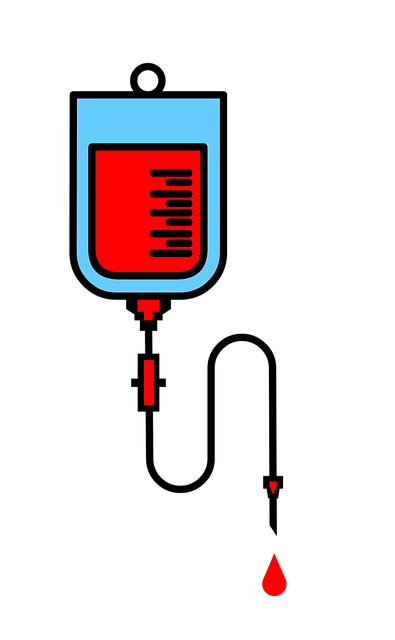
Intravenous (IV) drug use, particularly among heroin users, involves injecting drugs directly into the bloodstream through a needle. While this method offers a faster and more intense high compared to other routes of administration, it also carries significant risks. Harm reduction techniques for intravenous drug users are crucial in mitigating these dangers.
Understanding the associated perils is essential for implementing effective harm reduction strategies. IV drug use can lead to severe health complications such as infections (e.g., HIV, hepatitis), vascular damage, and overdoses. Projects like Project Purple and Herron Project focus on providing resources and support for individuals struggling with heroin addiction, including those who use intravenously. By promoting safer practices and offering drug rehab scholarships, these initiatives aim to reduce the adverse effects of IV drug use.
The Core Principles of Harm Reduction Strategies

Harm reduction strategies for intravenous drug users (IDUs) are predicated on several core principles aimed at minimizing negative consequences associated with drug use while also encouraging safer behaviors and access to treatment. These strategies recognize that, despite efforts to prevent drug use, many individuals will continue engaging in these behaviors. By focusing on reducing harm rather than solely preventing use, harm reduction techniques offer a more practical and compassionate approach.
One key principle is offering non-judgmental support and respect for users’ autonomy. This environment fosters trust and encourages open communication, enabling healthcare providers to offer evidence-based interventions tailored to individual needs. Additionally, these strategies promote access to essential services like needle exchange programs, clean syringe distribution, overdose prevention training, and substance use testing kits. Initiatives such as Project Purple and the Herron Project exemplify community-driven harm reduction efforts, leveraging local knowledge and resources to address specific challenges faced by IDUs, while also advocating for broader systemic changes that support drug users in their pursuit of healthier lives through programs like Drug Rehab Scholarships.
Safe Injection Sites: A Key Harm Reduction Tool

Safe Injection Sites (SIS) have emerged as a powerful harm reduction tool for intravenous drug users, particularly those struggling with heroin addiction. These sites provide a controlled environment where individuals can inject drugs under medical supervision, significantly reducing the risks associated with unsanitary conditions and accidental overdoses. By offering clean needles, sterile injection equipment, and immediate access to healthcare professionals, SIS play a vital role in preventing the transmission of diseases like HIV and hepatitis C among vulnerable populations.
In cities across the globe, innovative projects such as Project Purple and Herron Project have implemented successful SIS models, demonstrating their effectiveness in improving public health outcomes. These initiatives not only offer a safe space for drug users but also serve as entry points to comprehensive care, including referral services for addiction treatment and Drug Rehab Scholarships, ultimately aiming to support individuals on their path to recovery and reduce the stigma associated with intravenous drug use.
Alternative Methods to Intravenous Drug Administration

For many intravenous (IV) drug users, transitioning away from heroin can be a challenging process due to intense cravings and withdrawal symptoms. However, harm reduction techniques offer alternative methods to address these issues safely. One significant approach is the use of naloxone, a medication that rapidly reverses the effects of an opioid overdose, allowing individuals time to seek medical help or support. This simple intervention has been instrumental in saving lives and empowering users to make safer choices.
Additionally, there are innovative harm reduction programs like Project Purple and The Herron Project, which focus on providing resources and alternatives to IV drug use. These initiatives offer comprehensive support, including access to clean needles, substance counseling, and even drug rehab scholarships to encourage individuals to leave the cycle of addiction behind. By implementing these alternative strategies, communities can effectively support heroin users in making positive changes while reducing the associated health risks.
Supportive Services for Heroin Users: A Holistic Approach

For heroin users engaging in intravenous drug use (IDU), a holistic approach to support is vital. This involves addressing not just the physical dependence but also the underlying social, psychological, and emotional factors contributing to their substance abuse. Harm reduction techniques tailored for IDU focus on providing accessible services that enable users to make safer choices while reducing the negative consequences of drug use. These services include medical care, counseling, mental health support, and access to clean needles and syringes – core elements in preventing the transmission of diseases like HIV/AIDS and Hepatitis C.
Initiatives such as Project Purple and the Herron Project exemplify this comprehensive approach by offering not only treatment but also supportive housing, job training, and education resources. Even drug rehab scholarships play a significant role in removing financial barriers, making these services more accessible to those who need them most. By combining medical, psychological, and social support, these programs foster successful recovery outcomes for heroin users seeking to break free from the cycle of addiction.