
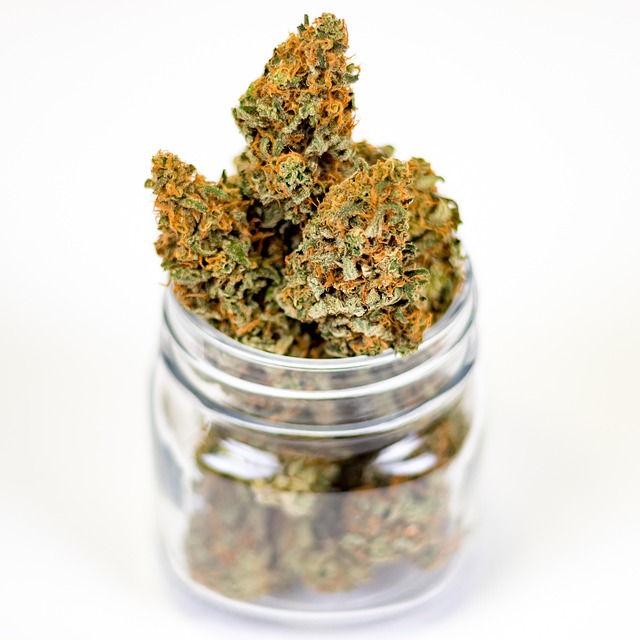
Substance Use Disorder (SUD) is a complex issue affecting millions worldwide, with far-reaching consequences. This comprehensive guide explores the multifaceted nature of SUD, delving into its causes and impacts. We navigate the recovery journey, highlighting essential steps and strategies for a successful path forward. From building supportive networks to understanding therapeutic interventions, this article equips readers with knowledge to foster lasting change. Discover effective treatments and learn how to sustain sobriety, offering hope and practical insights for those seeking freedom from SUD.
- Understanding Substance Use Disorder: Causes and Effects
- The Journey to Recovery: Stepping Stones and Strategies
- Building a Supportive Network for Lasting Change
- Therapeutic Approaches: Effective Treatments for SUD
- Sustaining Sobriety: Long-Term Management and Relapse Prevention
Understanding Substance Use Disorder: Causes and Effects

Substance Use Disorder (SUD) is a complex condition that involves compulsive using a substance despite harmful consequences. It’s crucial to understand that SUD isn’t simply a lack of willpower; it’s a chronic illness rooted in biological, psychological, and social factors. Genetic predisposition, trauma, stress, and environment all play significant roles in its development. The causes of SUD are multifaceted, often intertwining and creating a challenging path to recovery.
The effects of SUD are far-reaching, impacting not only the individual but also their loved ones and society at large. Short-term effects may include impaired judgment, coordination issues, and increased risk of accidents or injuries. Prolonged use can lead to severe physical health problems, mental health disorders, and social deterioration. However, recovery from SUD is achievable through various evidence-based treatments, including therapy, support groups, medication, and lifestyle changes. By addressing the underlying causes and providing comprehensive care, individuals can overcome their addiction and regain control of their lives.
The Journey to Recovery: Stepping Stones and Strategies

The journey to recovery from a Substance Use Disorder (SUD) is often likened to navigating a complex labyrinth, but with the right strategies and stepping stones, it becomes a path to transformation. The first step involves acknowledging the existence of the problem and desiring change. This pivotal moment serves as the foundation for embarking on a road to healing. Many find it beneficial to seek professional guidance from therapists or support groups specialized in SUD recovery. These resources provide essential tools and a safe space to explore underlying causes, develop coping mechanisms, and learn effective strategies to manage triggers.
One widely recognized strategy is therapy, particularly cognitive-behavioral therapy (CBT), which helps individuals identify and change negative thought patterns and behaviors associated with substance abuse. Additionally, building a robust support network, encompassing family, friends, or peer groups, plays a pivotal role in the recovery process. Sharing experiences, offering encouragement, and providing accountability can significantly strengthen an individual’s commitment to staying sober. Incorporating healthy habits like regular exercise, mindfulness practices, and engaging hobbies also proves invaluable, acting as distractions from cravings and promoting overall well-being.
Building a Supportive Network for Lasting Change

Building a supportive network is an integral part of lasting change, especially for those navigating Substance Use Disorder (SUD) recovery. It’s about creating a safe and understanding environment that encourages growth and provides stability during challenging times. One effective strategy is to connect with like-minded individuals who share similar experiences in recovery groups or community centers. These spaces offer a sense of belonging and allow individuals to gain insights, share struggles, and celebrate victories openly.
Additionally, reaching out to family and friends who can provide unwavering support without judgment is crucial. Having a diverse network that includes therapists, counselors, or sponsors from support organizations ensures multiple layers of assistance. This collective support system enables individuals in recovery to feel empowered, accountable, and motivated to maintain their progress while fostering a sense of hope for the future.
Therapeutic Approaches: Effective Treatments for SUD

Substance Use Disorder (SUD) recovery is a complex journey that requires personalized therapeutic approaches. Fortunately, there are several effective treatments available to help individuals overcome their addiction and achieve lasting sobriety. One widely recognized method is behavioral therapy, which focuses on identifying and modifying harmful behaviors related to drug or alcohol use. Cognitive-behavioral therapy (CBT), for instance, equips individuals with coping strategies to manage cravings and triggers by changing negative thought patterns. Group therapy sessions also play a vital role in SUD recovery, offering peer support and encouragement while fostering a sense of community.
Additionally, medication-assisted treatment (MAT) has proven successful in managing SUD symptoms. MAT combines counseling with prescribed medications like methadone or buprenorphine to reduce withdrawal effects and cravings. This comprehensive approach addresses both the physical and psychological aspects of addiction, making it easier for individuals to stay on track during recovery. Other evidence-based strategies include contingency management, which uses positive reinforcement to encourage participation in treatment, and motivational interviewing, designed to enhance an individual’s motivation for change.
Sustaining Sobriety: Long-Term Management and Relapse Prevention

Maintaining sobriety over the long term is a significant aspect of Substance Use Disorder recovery, requiring dedicated management strategies and proactive relapse prevention techniques. Many individuals in recovery find that establishing a robust support network is instrumental in their success. This can include joining support groups like Alcoholics Anonymous or Narcotics Anonymous, where peers share experiences and offer encouragement. Additionally, seeking ongoing therapy with professionals trained in addiction treatment can provide valuable tools for managing triggers and emotional challenges.
Relapse prevention involves identifying high-risk situations and developing strategies to navigate them. This might include learning coping mechanisms to handle stress, anger, or boredom without resorting to substance use. Regular self-reflection and setting personal boundaries are also crucial. Individuals in recovery should be mindful of their triggers and surroundings, surrounding themselves with positive influences, and adopting healthy habits like regular exercise and balanced nutrition to fortify their mental and physical well-being.