

Family dynamics significantly shape the trajectory of addiction recovery, making active family involvement crucial. This article explores how familial relationships influence substance use disorders and treatment outcomes, emphasizing the necessity of family therapy as a key component in comprehensive care models. We delve into issues such as codependency, communication breakdowns, and enabling behaviors that hinder healing, offering insights on breaking these cycles to foster stronger support systems and improved recovery results through targeted interventions.
- Understanding the Interplay Between Family Dynamics and Addiction
- The Impact of Codependency on Recovery: Recognizing the Cycle
- Communication Breakdown: Barriers to Support and Healing
- Enabling Behaviors: How They Fuel Addiction and Hinder Recovery
- Family Therapy as a Catalyst for Positive Change and Long-Term Success
Understanding the Interplay Between Family Dynamics and Addiction

Addiction doesn’t exist in a vacuum; it’s deeply intertwined with our social fabric, particularly within the family unit. Family dynamics can significantly shape an individual’s vulnerability to substance use disorders and their path towards recovery. When a family member struggles with addiction, underlying issues like codependency, communication failures, or enabling behaviors often go unnoticed but profoundly impact the entire household. These dynamics can create a cycle where unhealthy patterns perpetuate, hindering both the person with the addiction and their loved ones from finding true healing.
Understanding this intricate relationship is crucial for implementing effective strategies during a family intervention. By addressing not just the addiction but also the underlying family issues, such as anxiety within the household or mental health struggles that may contribute to teen addiction and family support, comprehensive care becomes possible. This holistic approach acknowledges that recovery is not solely an individual battle but requires collective healing and robust family support systems for long-term success in both mental health recovery and overcoming addiction.
The Impact of Codependency on Recovery: Recognizing the Cycle

Codependency is a significant barrier to addiction recovery within families. It’s a complex cycle where one or more family members develop unhealthy behaviors to cope with another’s addiction, often unconsciously reinforcing the very behavior they aim to change. For instance, a teenager struggling with addiction may have a parent who becomes overly reliant on them for emotional support, enabling further substance abuse due to fear of abandonment or loss.
This dynamic can perpetuate the addiction cycle, hindering both the individual in recovery and their family from achieving lasting mental health. Recognizing these codependent behaviors is crucial; it allows families to break free from this cycle through intervention strategies that prioritize everyone’s well-being. A family intervention focused on education and therapy aims to rebuild healthy communication, set boundaries, and foster a supportive environment for true healing to take place.
Communication Breakdown: Barriers to Support and Healing

Communication breakdown within a family can significantly hinder both the development and recovery from substance use disorders. When family members struggle to express their feelings, needs, or concerns openly, it creates barriers to support and healing. This often stems from underlying issues such as codependency, where one or more family members may have developed unhealthy attachment patterns, leading to a cycle of enabling behaviors that perpetuate the addiction.
In these situations, anxiety and families can become intertwined, exacerbating existing tensions. Family mental health suffers when communication is limited, making it challenging for everyone involved to understand and address the root causes of addiction. A family intervention becomes crucial in these cases, aiming to facilitate open dialogue, rebuild trust, and foster a supportive environment that promotes individual recovery while strengthening the collective family healing process.
Enabling Behaviors: How They Fuel Addiction and Hinder Recovery
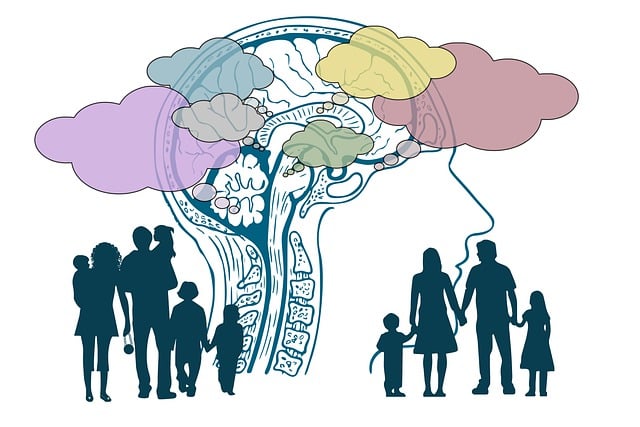
Enabling behaviors within family dynamics can inadvertently fuel addiction and hinder recovery. Often unrecognised, these behaviors include providing financial support or taking on responsibilities normally handled by the individual struggling with substance use. While well-intentioned, they can perpetuate the cycle of addiction by relieving the individual of consequences for their actions, delaying personal growth and accountability.
This dynamic creates an environment where addiction becomes more deeply ingrained, making recovery a challenging process. Family intervention is crucial here; by addressing enabling behaviors through education and therapy, families can learn healthier coping mechanisms and support systems that foster true mental health recovery for all members, including ADHD children and those facing substance use challenges.
Family Therapy as a Catalyst for Positive Change and Long-Term Success

Family therapy serves as a powerful catalyst for positive change, especially when it comes to addiction recovery. By bringing all members together in a safe and supportive environment, therapists facilitate open communication, foster empathy, and help each individual understand their role within the family system. This collaborative approach not only addresses specific issues related to substance abuse but also targets deeper patterns such as codependency, enabling behaviors, and communication breakdowns that have contributed to the cycle of addiction.
A well-structured family intervention can lead to significant improvements in family dynamics, resulting in long-term success for both the recovering individual and their loved ones. By addressing underlying emotional needs, rebuilding trust, and strengthening support systems, families become better equipped to navigate challenges together. Moreover, involving families in the recovery process helps reduce the risk of relapse, as they learn effective coping strategies and gain a deeper understanding of teen addiction and its impact on everyone involved, even those experiencing anxiety within the family unit.