

In New Jersey, sober living communities play a pivotal role in supporting individuals on their journey to long-term recovery. This article delves into the intricate world of recovery residences, exploring essential regulations and rights within this sector. We’ll uncover the licensing requirements for these facilities, highlighting key aspects that ensure safety and quality care. Furthermore, we’ll examine the rights and responsibilities of both residents and sober living homes, providing a comprehensive guide to navigating recovery residences in New Jersey.
- Understanding Sober Living Communities in New Jersey
- Licensing and Regulations for Recovery Residences
- Rights and Responsibilities of Residents and Facilities
Understanding Sober Living Communities in New Jersey

In New Jersey, recovery residences, also known as sober living communities, play a vital role in supporting individuals on their path to long-term recovery from substance use disorders. These communities provide a structured and supportive environment where residents can focus on healing and rebuilding their lives free from alcohol and drugs. Sober living offers a transitional housing option designed to help residents develop healthy habits, maintain sobriety, and integrate back into society successfully.
New Jersey’s sober living regulations are put in place to ensure the safety and well-being of residents. These regulations cover various aspects, including licensing requirements for facilities, staffing ratios, program offerings, and health and safety standards. By adhering to these guidelines, sober living communities create a secure and nurturing atmosphere, fostering a sense of community among peers with shared goals. This supportive network is instrumental in helping individuals stay motivated and committed to their recovery journey.
Licensing and Regulations for Recovery Residences
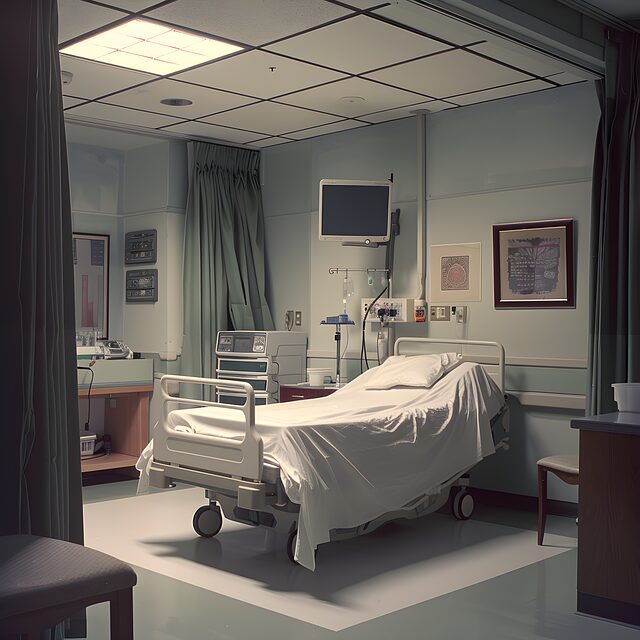
In New Jersey, recovery residences, also known as sober living facilities, are subject to specific licensing and regulatory requirements aimed at ensuring safety and quality care for residents in their path to recovery. The state’s Department of Human Services (DHS) plays a pivotal role in overseeing these facilities, issuing licenses, and enforcing standards that adhere to national best practices. To obtain a license, recovery residences must meet stringent criteria related to staff qualifications, facility maintenance, and program offerings tailored to the unique needs of individuals in various stages of their sober living journey.
These regulations are designed to create a structured environment conducive to long-term recovery. They mandate regular health and safety inspections, comprehensive emergency preparedness plans, and access to medical services for residents. Additionally, licensing requirements encourage the development of robust support systems within these homes, fostering community among residents while they build and maintain their sobriety.
Rights and Responsibilities of Residents and Facilities
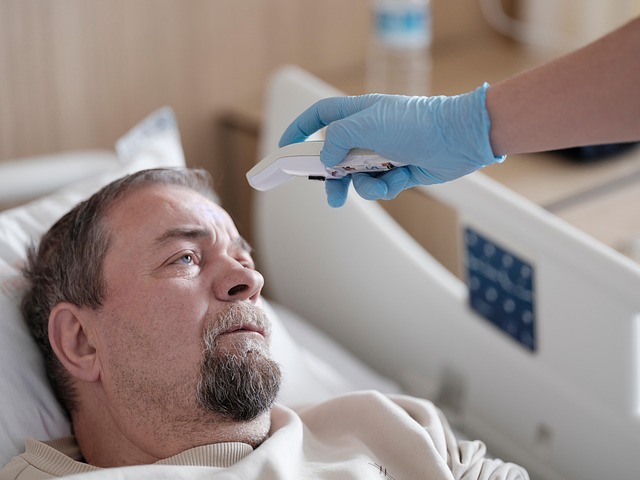
In New Jersey, residents of recovery residences have specific rights and responsibilities that are designed to promote a safe and supportive environment for their sober living. These include the right to privacy, respect, and fair treatment, as well as the responsibility to maintain a clean and orderly space, participate in programming, and adhere to the facility’s rules. The facilities, in turn, are obligated to provide a secure haven for residents in recovery, offering essential services like counseling, support groups, and access to healthcare professionals. They must also ensure the privacy and dignity of each resident while facilitating their journey towards long-term sobriety.
The sober living regulations emphasize collaboration between residents and staff to create a nurturing atmosphere. Residents are encouraged to actively participate in their own recovery by attending meetings, engaging in therapy, and supporting one another. Facilities play a crucial role in fostering this environment by promoting open communication, offering educational resources, and providing opportunities for social interaction that align with the goals of sobriety. This symbiotic relationship between residents and facilities is key to the success of recovery residences in New Jersey.