
Harm reduction initiatives like The Herron Project and Project Purple offer comprehensive support for intravenous (IV) drug users, focusing on minimizing risks and improving well-being. These strategies include safe injection sites with medical supervision, clean needle exchange programs, and access to vital medications like naloxone. Pharmacological interventions stabilize lives, counseling addresses psychological needs, and scholarships remove financial barriers, contributing to safer, healthier communities.
Harm reduction is a crucial approach in addressing the challenges faced by intravenous (IV) drug users. This strategy aims to minimize the negative consequences associated with drug use while supporting individuals in making safer choices. In this article, we explore various harm reduction techniques tailored for IV drug users, including safe injection sites, needle exchange programs, pharmacological interventions, and counseling strategies. By implementing these methods, communities can foster a healthier environment and support long-term recovery.
Understanding Harm Reduction: A Holistic Approach for IV Drug Users
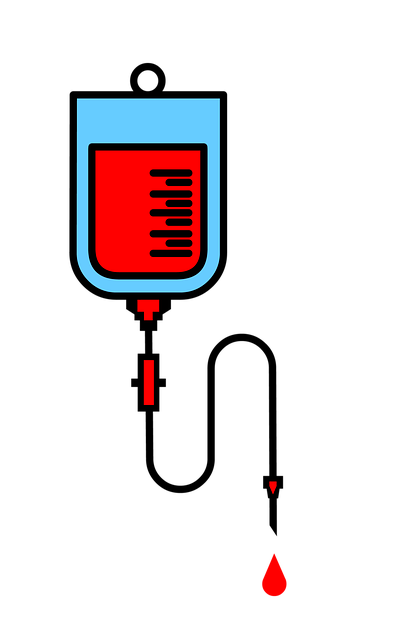
Harm reduction techniques for Intravenous (IV) drug users is a comprehensive strategy that prioritizes minimizing the negative consequences associated with drug use rather than merely focusing on cessation. This approach recognizes that, for many individuals, complete abstinence may not be achievable or sustainable. By implementing evidence-based practices, healthcare professionals and support organizations aim to improve the overall well-being and quality of life for IV drug users while reducing the risks associated with their substance use.
The Herron Project and Project Purple are notable initiatives that exemplify this holistic harm reduction approach. These programs offer a range of services, including medical care, mental health support, and access to Drug Rehab Scholarships, to address the multifaceted needs of IV drug users. By embracing such strategies, communities can foster environments where individuals can make informed choices, reduce healthcare costs associated with overdose and disease transmission, and ultimately move towards more stable and healthy lives.
Safe Injection Sites and Their Role in Minimizing Risks

Safe Injection Sites (SIS), also known as harm reduction centers or supervised consumption sites, play a pivotal role in minimizing risks among intravenous drug users. These facilities provide a controlled environment where individuals can safely inject drugs under the supervision of healthcare professionals. By offering clean needles and syringes, medical support, and access to naloxone—a life-saving overdose reversal medication—SIS significantly reduce the chances of transmission of infectious diseases like HIV and hepatitis C.
The Herron Project and Project Purple are notable initiatives that have gained traction globally, showcasing the effectiveness of SIS in harm reduction efforts. These programs not only provide a safe space for users but also offer opportunities for referral to drug rehab scholarships and comprehensive addiction treatment services. By combining direct risk reduction strategies with access to support services, these sites foster a more holistic approach to addressing the complex needs of intravenous drug users.
Clean Needle Programs: Distribution, Access, and Benefits

Clean Needle Programs are a cornerstone of harm reduction strategies for intravenous (IV) drug users. These programs facilitate the distribution of sterile needles and syringes to prevent the transmission of blood-borne diseases such as HIV, hepatitis B, and hepatitis C. By making clean needles readily accessible, these initiatives reduce the risks associated with sharing contaminated equipment, which is a common practice among IV drug users. Such programs can be implemented through various channels, including community health centers, harm reduction organizations, and even some retail pharmacies.
The benefits of Clean Needle Programs are multifaceted. They not only curb the spread of infectious diseases but also offer users a safer alternative to obtaining needles on the black market, where they might be contaminated anyway. Additionally, these programs often include education on safe injection practices, further empowering users to make informed decisions regarding their health. Notable initiatives like the Herron Project and Project Purple exemplify successful implementations of clean needle distribution models, demonstrating the potential for such programs to significantly improve public health outcomes among IV drug users while also serving as a cost-effective drug rehab scholarships alternative to traditional treatment centers.
Pharmacological Interventions to Support IV Drug Users

Harm reduction techniques for Intravenous (IV) drug users focus on providing support and improving safety while minimizing the negative consequences of drug use. Pharmacological interventions play a crucial role in this context. Medications like methadone, buprenorphine, and naltrexone are commonly used to help stabilize users’ lives and reduce cravings. These substances can significantly enhance the overall well-being of IV drug users by offering alternative treatment options that do not involve illicit drugs.
Initiatives such as the Herron Project and Project Purple highlight the effectiveness of these pharmacological approaches in real-world settings. By providing accessible and evidence-based treatments, organizations like these contribute to the broader goal of harm reduction. Additionally, supporting IV drug users with Drug Rehab Scholarships can further facilitate their transition towards recovery by removing financial barriers, ensuring that anyone in need has the opportunity to access these life-changing interventions.
Counseling and Behavioral Strategies for Long-Term Recovery

For long-term recovery among intravenous drug users, counseling and behavioral strategies play a pivotal role in harm reduction. These approaches focus on empowering individuals to make informed choices and develop healthier coping mechanisms. Through one-on-one therapy or group support sessions, users can address underlying psychological issues, learn stress management techniques, and gain insights into their substance use patterns. Behavioral strategies, such as contingency management, offer tangible rewards for achieving treatment milestones, reinforcing positive behaviors and discouraging drug use.
Initiatives like the Project Purple and the Herron Project exemplify community-based harm reduction models that combine counseling with practical support. These programs often provide access to Drug Rehab Scholarships, making evidence-based treatments more accessible. By integrating counseling and behavioral strategies, harm reduction initiatives not only alleviate the physical symptoms of addiction but also nurture psychological resilience, fostering a path towards lasting recovery for intravenous drug users.