
South Florida’s diverse population faces heightened mental health challenges due to work stress, financial pressures, and pandemic isolation, highlighting the critical need for 24/7 crisis intervention services. With high depression and anxiety rates and historical suicide prevention struggles, immediate access to professional counseling is life-saving. A robust program should include a well-trained team of counselors, psychiatrists, and social workers via multiple communication channels like hotlines, online platforms, and mobile apps. Existing resources like the South Florida Crisis Center’s hotline offer confidential counseling and emergency service connections, revolutionizing care by eliminating barriers to access, ultimately saving lives. Future developments in telemedicine and digital therapy promise enhanced remote interventions.
South Florida, with its vibrant yet bustling metropolis, faces unique challenges when it comes to mental health support. This article explores the pressing need for 24/7 mental health crisis intervention services in the region. We delve into the key components that make up an effective crisis program and highlight critical resources available through emergency hotlines. Additionally, we examine the impact of around-the-clock care and its potential to revolutionize mental health support in South Florida.
- Understanding the Need for 24/7 Mental Health Services in South Florida
- Key Components of a Crisis Intervention Program
- Accessing Emergency Support: Resources and Hotlines
- The Impact and Future of Around-the-Clock Mental Health Care
Understanding the Need for 24/7 Mental Health Services in South Florida

In South Florida, with its vibrant yet challenging lifestyle, the demand for 24/7 mental health crisis intervention services is more critical than ever. The region’s unique blend of tourism, diverse populations, and year-round warm climate attracts a wide array of individuals—from seasoned residents to seasonal visitors—each grappling with their own set of mental health challenges. These challenges often manifest in unexpected ways, highlighting the urgent need for readily accessible emergency mental health support.
The high rates of depression, anxiety, and other mental health disorders, coupled with factors like stress from competitive work environments, financial pressures, and social isolation during times of pandemic, underscore the importance of crisis counseling services. Moreover, South Florida’s historical struggles with issues such as suicide prevention demand a robust 24/7 response system capable of reaching individuals in their time of greatest need. Prompt access to professional help can make all the difference, offering life-saving interventions and paving the way for longer-term recovery and well-being.
Key Components of a Crisis Intervention Program

A comprehensive crisis intervention program for South Florida’s mental health emergency services should incorporate several critical components to ensure effective support. Firstly, a well-trained and readily accessible team of mental health professionals is essential. This includes counselors, psychiatrists, and social workers who can provide immediate assistance via phone, online platforms, or in-person visits. These professionals must be adept at crisis counseling, equipped with the latest suicide prevention techniques, and capable of assessing and managing a range of psychological distress levels.
Additionally, integrating multiple communication channels is vital for reaching individuals in need promptly. This involves not only traditional telephone hotlines but also online chat platforms, mobile apps, and social media initiatives to cater to diverse user preferences and accessibility needs. By combining these strategies, South Florida can create a robust network that offers 24/7 emergency mental health support, making crisis intervention more accessible and potentially life-saving.
Accessing Emergency Support: Resources and Hotlines

In moments of emotional distress, accessing immediate support is paramount for anyone facing a mental health crisis in South Florida. The region offers several dedicated resources and hotlines designed to provide 24/7 assistance, ensuring no one struggles alone. These services cater to diverse needs, from crisis counseling sessions to suicide prevention measures, all aimed at stabilising individuals and promoting long-term well-being.
Key among these is the South Florida Crisis Center, which operates a toll-free hotline available around the clock. Trained professionals offer confidential support, guiding callers through immediate crises and connecting them with relevant emergency mental health services in their area. Additionally, local community health centers and non-profit organisations operate similar hotlines, providing crucial crisis intervention and referral services for those seeking urgent help.
The Impact and Future of Around-the-Clock Mental Health Care
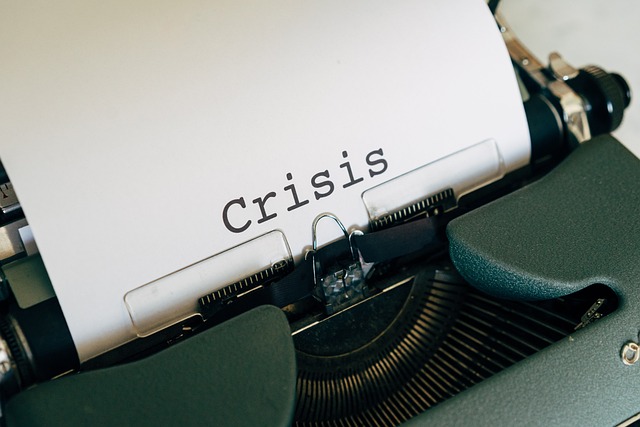
The availability of 24/7 mental health crisis intervention services is transforming care for residents of South Florida and beyond. This continuous support offers immediate assistance during emergencies, providing a safety net for individuals in distress. By removing barriers such as limited operating hours, people facing mental health crises can receive crucial counseling and guidance whenever needed. The impact is profound, ensuring that those struggling with anxiety, depression, or thoughts of self-harm have access to professional help, ultimately saving lives.
Looking ahead, the future of around-the-clock mental health care appears promising. With ongoing technological advancements, remote crisis intervention through telemedicine and digital therapy platforms becomes increasingly feasible, expanding access even further. This shift towards more comprehensive and accessible emergency mental health services is expected to enhance suicide prevention efforts, reduce wait times, and foster better overall mental well-being within the community. Crisis counseling centers can thus evolve into a robust network, providing continuous support and promoting resilience in the face of growing mental health challenges.
In light of the growing recognition of mental health as a paramount concern in South Florida, implementing comprehensive 24/7 crisis intervention and emergency support services is more crucial than ever. By integrating key components such as immediate assessment, specialized therapy, and aftercare planning, these programs offer a lifeline to those in distress. The impact of around-the-clock mental health care has been profoundly positive, reaching individuals across the region and significantly reducing crisis outcomes. As we look to the future, expanding access to these services and fostering community awareness will be essential to ensure that no one faces mental health crises alone.