

Bergen County sober living homes and transitional housing provide crucial support for individuals recovering from substance use disorders. These programs offer safe environments, peer support, counseling, structured programs, and various services to facilitate reintegration into society. Customizable programs cater to short-term and long-term stays, focusing on independence and sustained sobriety through tailored care.
Looking for supportive housing options in Bergen County? Discover the transformative power of sober living homes and transitional programs designed to help individuals reclaim their lives. This guide explores various types of accommodation, from shared residences to structured recovery centers, offering a range of benefits and support services tailored to individual needs. Learn how to navigate the process, choose the right program, and embark on a path to lasting sobriety in the Bergen County area.
- Understanding Sober Living Homes in Bergen County
- Types of Transitional Housing Available
- Benefits and Support Services Offered
- Finding and Choosing the Right Program
Understanding Sober Living Homes in Bergen County
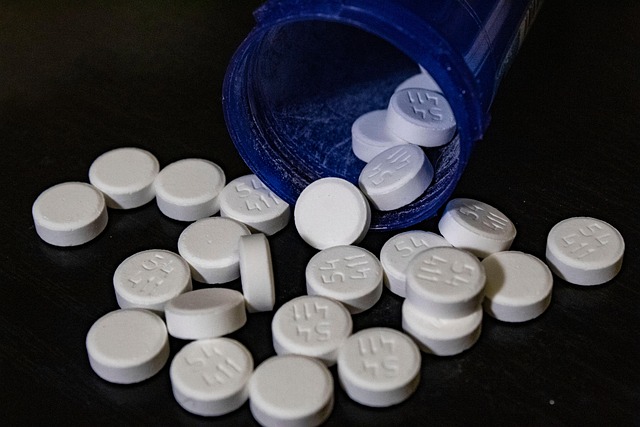
In Bergen County, sober living homes have emerged as vital resources for individuals recovering from substance use disorders. These residential options offer a supportive environment, free from alcohol and drugs, allowing residents to focus on their healing journey. Unlike traditional rehab facilities that provide intensive treatment, sober living homes facilitate a smoother transition back into the community, making them ideal for those seeking a more independent path to recovery.
Bergen County sober living communities typically provide shared accommodations, meal services, and 24/7 support from staff or peers. They promote responsible living skills, encourage attendance at support groups like AA or NA, and help residents develop coping strategies for maintaining sobriety. With various programs and amenities, these homes cater to different needs, including short-term stays for those fresh out of treatment and longer-term options for those needing more extensive support as they rebuild their lives, free from addiction.
Types of Transitional Housing Available

In Bergen County, there are diverse options for those seeking transitional housing, including various types of sober living homes and recovery housing. These programs cater to individuals in recovery from substance use disorders, offering a supportive environment as they reintegrate into society. One common type is halfway houses, which provide a bridge between treatment facilities and independent living, offering structured routines and on-site support.
Additionally, specialized sober living communities offer long-term residential options with focused programs designed to promote sustained sobriety. These homes often include individualized therapy, group support meetings, and life skills training, ensuring residents gain the tools needed for successful, drug-free lives. The availability of these transitional housing solutions in Bergen County significantly contributes to local recovery efforts by providing a network of support tailored to individual needs.
Benefits and Support Services Offered

In Bergen County, sober living homes and transitional housing options play a pivotal role in supporting individuals on their journey to long-term recovery. These residential environments offer more than just a place to stay; they provide a supportive network crucial for maintaining sobriety and preparing residents for independent living. The benefits are multifaceted, including access to peer support, counseling services, and structured programs tailored to individual needs. Many of these programs focus on building life skills, fostering social connections, and promoting mental well-being, ensuring that residents have the tools they need to thrive in a sober lifestyle.
Support services within bergen county sober living facilities range from group therapy sessions and individual counseling to educational workshops and recreational activities. Some homes also offer employment assistance, helping residents reintegrate into the workforce, while others provide transportation and referral services for ongoing care. These comprehensive support systems create an enabling environment, encouraging residents to stay on track during their transition to independent or permanent housing. Whether individuals are transitioning from a treatment center or seeking a fresh start, these sober living homes and transitional housing options in Bergen County strive to meet diverse needs, fostering recovery and enhancing the quality of life for those in recovery.
Finding and Choosing the Right Program

Finding the right bergen county sober living program is a crucial step in one’s journey to recovery. It’s essential to consider the specific needs and preferences of the individual seeking support. Some key factors include the type of program—whether it’s a sober living home or transitional housing—and the level of care offered, such as personalized therapy or group support sessions. Researching each option thoroughly can help ensure an optimal environment for healing.
When exploring bergen county sober living options, look for programs that align with individual goals and offer a supportive yet independent living experience. Evaluating factors like location, cost, and the overall community within the housing can make a significant difference in long-term recovery. Choosing a program that fosters a sense of belonging while providing necessary resources is key to navigating the transition successfully.
Sober living homes and transitional housing in Bergen County offer vital support for those recovering from substance abuse. By providing a safe, structured environment, these programs enable individuals to focus on their healing journey while gaining independence. With various options available, understanding the benefits and careful selection of the right program can lead to successful long-term recovery. For anyone seeking help in Bergen County, exploring these resources is a positive step towards a brighter future.