

Addiction among healthcare professionals, often overlooked due to societal expectations of self-control, poses significant risks. Confidential doctor addiction treatment programs are vital to protect medical licenses, foster recovery, and preserve public trust. These specialized programs acknowledge unique challenges like work pressures, long hours, and stigma, offering tailored interventions including cognitive-behavioral therapy and aftercare planning. Effective strategies involve individual therapy, group support, MAT, and CBT for stress management. Post-treatment support includes peer groups, workshops, and nurse addiction centers to maintain licenses and professional wellness.
“In the demanding landscape of healthcare, the well-being of medical professionals is paramount. However, behind the white coat, doctors and medical staff face unique challenges, including addiction issues that require discreet, specialized attention. This article explores the prevalence of healthcare professional addictions, emphasizing the need for confidential treatment programs tailored to their specific needs. We delve into effective strategies, from specialized therapy to ongoing support resources, designed to facilitate successful recovery and prevent relapse in these vital members of our medical community.”
- Understanding the Prevalence of Healthcare Professional Addictions
- The Unique Challenges of Treating Medical Workers in Confidential Settings
- Specialized Programs Designed for Doctors and Medical Staff
- Effective Strategies for Doctor Addiction Recovery and Relapse Prevention
- Supportive Resources for Continued Wellness After Treatment Conclusion
Understanding the Prevalence of Healthcare Professional Addictions
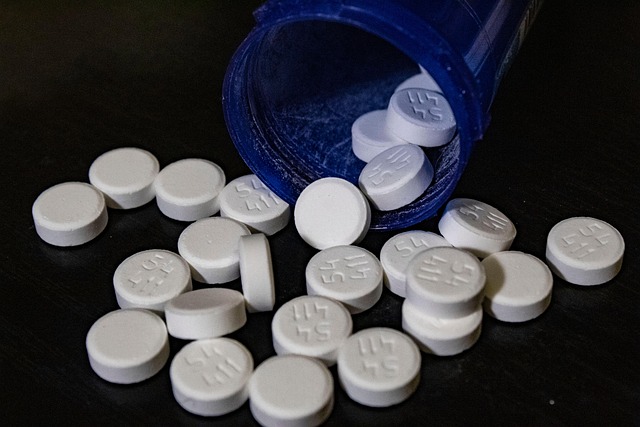
Addiction among healthcare professionals is a growing concern, often overshadowed by the perception that medical workers should maintain unwavering self-control. However, behind closed doors, many doctors and nurses struggle with substance abuse, anxiety, or other behavioral addictions. This hidden issue poses significant risks not only to individual well-being but also to patient safety.
The demands of the profession—long hours, high stress levels, and emotional strain—can contribute to the development of addiction. Moreover, the fear of judgment or repercussions may prevent healthcare workers from seeking help. Protecting medical license integrity through confidential doctor addiction treatment and nurse addiction treatment programs is crucial for both personal recovery and maintaining public trust in the healthcare system.
The Unique Challenges of Treating Medical Workers in Confidential Settings

Treating healthcare professionals and medical workers for addiction presents unique challenges due to their specialized roles and responsibilities. These individuals often face intense work pressures, long hours, and high-stress environments, which can contribute to or exacerbate existing substance use disorders. Additionally, the stigma associated with addiction within the medical community can create barriers to seeking help, as they may worry about how their condition will reflect on their professional reputation and medical license protection.
Confidential doctor addiction treatment is crucial in addressing these challenges. Specialized programs designed for healthcare workers offer a supportive environment free from judgment, fostering trust and openness. These programs recognize the unique needs of medical professionals, providing tailored interventions and strategies to support recovery. Whether it’s nurse addiction treatment or ensuring healthcare worker recovery, maintaining confidentiality is essential to encourage participation and promote long-term success in overcoming addiction.
Specialized Programs Designed for Doctors and Medical Staff

Many healthcare professionals and medical workers face unique challenges when it comes to managing their mental health and well-being, often leading to issues with addiction. Recognizing this critical need, specialized programs have been designed specifically for doctors and medical staff. These tailored interventions address the specific stressors and demands of the healthcare industry, ensuring a supportive environment for recovery.
Offered through dedicated rehab centers and recovery facilities, doctor addiction treatment programs prioritize confidentiality and understanding. They cater to the unique circumstances of medical professionals, offering flexible schedules and discreet services. Additionally, these programs often incorporate peer support groups, cognitive-behavioral therapy, and aftercare planning to facilitate long-term recovery for nurses, doctors, and other healthcare workers while safeguarding their medical licenses through comprehensive healthcare worker recovery initiatives.
Effective Strategies for Doctor Addiction Recovery and Relapse Prevention

Effective strategies for doctor addiction recovery and relapse prevention are crucial to ensure healthcare professionals can maintain their medical licenses and provide quality patient care. Customized treatment plans that address the unique challenges faced by doctors, such as time constraints and career pressures, are essential. These programs often involve a combination of individual therapy, group support sessions, and medication-assisted treatment (MAT) when necessary.
Incorporating evidence-based practices like cognitive-behavioral therapy (CBT) can help doctors develop coping mechanisms to manage stress, anxiety, and triggers. Additionally, nurse addiction treatment programs and peer support networks play a vital role in fostering a supportive environment. Healthcare worker recovery is facilitated by these comprehensive approaches, which also provide medical license protection by teaching professionals to recognize early signs of relapse and implement preventative measures.
Supportive Resources for Continued Wellness After Treatment Conclusion

After completing a doctor addiction treatment program, it’s crucial to maintain and build upon the progress made. Healthcare professionals and medical workers have unique challenges and resources available to support their continued wellness. Many post-treatment programs offer ongoing therapy sessions, peer support groups, and educational workshops tailored for medical professionals. These platforms provide a safe space to discuss industry-specific stressors and relapse prevention strategies.
Additionally, nurse addiction treatment centers and healthcare worker recovery networks can offer vital assistance in safeguarding professional licenses. With proper guidance, individuals can navigate regulatory bodies’ requirements and maintain their credentials while fostering long-term recovery. Medical professionals should leverage these resources to stay connected, ensuring they have the tools needed to manage their well-being and excel in their careers.
Addiction among healthcare professionals, though often hidden, is a pressing issue that requires specialized and confidential attention. By recognizing the unique challenges faced by doctors and medical staff, we can provide tailored programs for effective recovery and relapse prevention. Access to supportive resources post-treatment plays a crucial role in fostering continued wellness. With the right support, healthcare providers can reclaim their careers and contribute to improved patient care. Remember that seeking help is a sign of strength, and specialized doctor addiction treatment is accessible and effective.