

Physicians face unique challenges leading to stress, burnout and addiction due to long hours and high-pressure situations. Specialized luxury treatment programs address these needs with safe, supportive environments, advanced therapy techniques, peer support, educational workshops on resilience and self-care, and family involvement. Accessing these tailored programs is crucial for promoting well-being and preventing further deterioration in a demanding profession. They enable medical professionals to overcome addiction while enhancing their capacity to deliver compassionate patient care. Post-treatment support ensures successful reintegration into clinical practice.
In the high-pressure world of healthcare, physicians and medical professionals face unique challenges that can contribute to stress, burnout, and, in some cases, addiction. This article explores specialized luxury treatment programs designed specifically for these dedicated individuals. We delve into the distinct needs of physicians, the growing concern of addiction within the healthcare sector, and innovative holistic approaches to rehabilitation. By understanding effective strategies and post-treatment support, we aim to highlight resources crucial for physician recovery and successful career reintegration.
- Understanding the Unique Needs of Physicians
- The Prevalence and Impact of Addiction in Healthcare Professionals
- Specialized Treatment Programs: A Holistic Approach
- Effective Strategies for Physician Rehabilitation
- Post-Treatment Support and Career Reintegration
Understanding the Unique Needs of Physicians

Physicians and healthcare professionals face unique challenges that can lead to stress, burnout, and even addiction. The demanding nature of their work, including long hours, high-pressure situations, and constant decision-making, can take a toll on their mental and physical well-being. Recognizing these specific needs is the first step in developing effective specialized luxury treatment programs. These programs aim to provide a safe and supportive environment where medical professionals can address underlying issues contributing to addiction or stress without fear of judgment or repercussions that might occur in typical healthcare settings.
Offering tailored solutions, such as physician addiction treatment plans, these programs consider the complex dynamics of practicing in a high-stakes field. They often incorporate advanced therapy techniques, peer support groups, and educational workshops focused on resilience and self-care. Additionally, healthcare professional recovery centers may provide resources for family involvement, ensuring that personal and professional aspects of their lives are adequately addressed during the healing process. Access to such comprehensive medical professional treatment is vital for fostering a culture of well-being and preventing further deterioration in an already demanding profession.
The Prevalence and Impact of Addiction in Healthcare Professionals
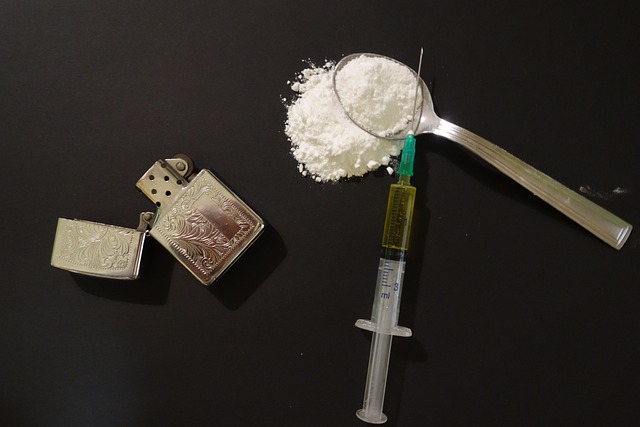
Addiction among healthcare professionals, particularly physicians, is a growing concern within the medical community. Despite their expertise and dedication to patient care, they are not immune to the challenges of substance abuse. The demanding nature of the profession, long working hours, and high-pressure environments can contribute to elevated stress levels and an increased risk of addiction.
The impact of physician addiction is far-reaching. It not only affects individual practitioners’ lives but also poses significant risks to patient safety and the integrity of the healthcare system. Early identification and access to specialized luxury treatment programs tailored for medical professionals are essential in addressing this issue. These programs offer a safe space for physicians to seek assistance, undergo intensive therapy, and embark on their path to recovery, ensuring better outcomes for both practitioners and the patients they serve.
Specialized Treatment Programs: A Holistic Approach

Specialized luxury treatment programs for physicians and healthcare professionals take a holistic approach to address the unique challenges faced by these individuals. Physician addiction treatment goes beyond mere detoxification, incorporating comprehensive therapies such as cognitive-behavioral therapy (CBT), mindfulness practices, and peer support groups. These programs recognize that medical professionals often struggle with high stress levels, demanding work schedules, and potential burnout, which can contribute to or exacerbate substance abuse issues.
By providing a safe, supportive environment, these specialized treatments focus on both the mind and body, fostering healthcare professional recovery and promoting long-term wellness. The goal is not only to help physicians overcome addiction but also to enhance their ability to provide compassionate, effective care to their patients. Programs often include luxury amenities, personalized treatment plans, and discrete services designed to maintain confidentiality—all aimed at supporting the unique needs of these dedicated professionals.
Effective Strategies for Physician Rehabilitation

In the realm of physician addiction treatment, effective strategies are crucial for holistic healthcare professional recovery. Specialized luxury treatment programs recognize that physicians and medical professionals face unique challenges, often involving intense work schedules, high-stress environments, and complex emotional issues. Therefore, tailored interventions that address these specific needs are essential. These programs typically incorporate a combination of individual therapy, group support, and evidence-based practices such as cognitive-behavioral therapy (CBT) to help physicians understand and overcome their addictions.
The integration of peer support networks is another vital component in the medical professional treatment journey. Collaborating with peers who have experienced similar struggles fosters a sense of community and understanding, enhancing the overall effectiveness of the physician assistance program. Additionally, these programs often emphasize lifestyle changes, including stress management techniques, improved sleep hygiene, and balanced nutrition, which are instrumental in sustaining long-term recovery. Such comprehensive approaches not only address the addiction but also promote the well-being and resilience of healthcare professionals.
Post-Treatment Support and Career Reintegration

After completing a specialized luxury treatment program for physicians or healthcare professionals, ensuring robust post-treatment support is essential. This critical phase involves tailored interventions designed to help medical experts maintain their recovery and successfully reintegrate into their careers. Many programs offer ongoing counseling sessions, peer support groups, and regular check-ins with treatment specialists to address any challenges that may arise during the transition back to clinical practice.
The goal of post-treatment support is twofold: first, to reinforce healthy habits cultivated during rehabilitation and second, to provide physicians and healthcare professionals with the tools they need to navigate any potential stressors or triggers effectively. This includes access to physician assistance programs, resources for stress management, and strategies for maintaining work-life balance. Effective reintegration into the medical community not only enhances individual well-being but also ensures patients receive care from a supportive and resilient healthcare workforce.
Physician addiction treatment is a specialized field addressing a critical issue within the healthcare industry. By recognizing the unique challenges faced by these professionals, such as high-stress levels and potential addiction risks, we can provide tailored support. The holistic approach of Specialized luxury treatment programs offers comprehensive care, combining medical expertise with psychological therapies. Effective strategies, including peer support and career reintegration services, ensure a successful recovery and a healthier work environment for all healthcare providers.