
Depression in older adults is a growing concern, often overlooked due to its unique presentation and associated challenges, such as physical health decline, social disconnection, and reduced independence. Early identification of subtle signs is crucial for effective elderly depression treatment. Geriatric psychiatrists play a vital role in tailoring treatments to address age-related cognitive changes, physical health issues, and social factors contributing to mental health problems in seniors. Holistic care practices, including mindfulness, exercise, and nutrition counseling, can significantly improve emotional well-being. Building supportive systems through peer groups, family involvement, and community outreach is key to successful elderly depression treatment, fostering recovery and long-term mental resilience for older adults at risk of loneliness and isolation.
As our population ages, addressing the unique mental health needs of older adults becomes increasingly vital. This article explores tailored programs for managing elderly depression and addiction, recognizing the distinct challenges faced by seniors. We delve into evidence-based approaches, focusing on holistic care that intertwines physical and emotional well-being. By examining tailored treatment methods, building robust support systems, and fostering community engagement, we aim to illuminate paths toward effective elderly depression treatment and enhanced quality of life for our aging population.
- Understanding Elderly Depression: Recognizing the Unique Challenges of Older Adults
- Tailored Treatment Approaches for Senior Mental Health and Addiction
- Integrating Holistic Care: Addressing Physical and Emotional Needs
- Building Support Systems: Fostering Recovery in Later Life
Understanding Elderly Depression: Recognizing the Unique Challenges of Older Adults

Depression among older adults is a prevalent yet often overlooked issue, presenting unique challenges distinct from younger populations. As individuals age, they may experience a decline in physical health, social connections, and independence, which can significantly contribute to feelings of loneliness, isolation, and sadness. These factors create a complex web where elderly depression can go unnoticed or undiagnosed. Recognizing the subtle signs is crucial for providing timely elderly depression treatment.
The unique challenges faced by seniors include adapting to changes in routine, managing chronic illnesses, and coping with the loss of loved ones. Moreover, age-related cognitive shifts might make it harder for them to express or recognize emotional distress. Professionals in geriatric psychiatry must be attuned to these nuances to effectively address senior addiction and elderly mental health concerns, ensuring that treatment plans are tailored to meet the specific needs of this vulnerable demographic.
Tailored Treatment Approaches for Senior Mental Health and Addiction

In addressing mental health and addiction among older adults, tailored treatment approaches are essential due to the unique challenges faced by this demographic. Elderly depression treatment often requires a nuanced approach, as seniors may experience distinct symptoms not typically seen in younger individuals. For instance, they might exhibit increased apathy, cognitive changes, or physical complaints rather than typical emotional expressions of sadness. Therefore, specialized programs focus on these specific manifestations, incorporating geriatric psychiatry principles to provide effective care.
These tailored interventions consider the complex interplay of physical health, cognitive decline, and social factors that can contribute to mental health issues and substance use disorders in seniors. Senior addiction treatment programs design activities and strategies to engage older adults, acknowledging their diverse backgrounds and experiences. By recognizing these differences, healthcare professionals can offer more personalized support, enhancing the overall effectiveness of the treatment process for elderly mental health concerns.
Integrating Holistic Care: Addressing Physical and Emotional Needs
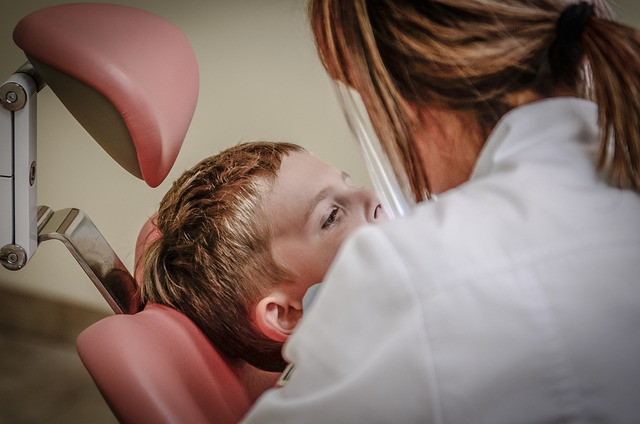
Mental health and addiction treatment programs designed for older adults and seniors must incorporate holistic care to effectively address both physical and emotional needs. Often overlooked, elderly depression is a significant issue among this demographic, with many experiencing feelings of loneliness, isolation, and loss as they age. Integrating holistic approaches, such as mindfulness practices, gentle exercise routines, and nutrition-focused counseling, can significantly improve senior mental health outcomes.
Holistic care in geriatric psychiatry recognizes that physical well-being is intricately linked to emotional stability. By incorporating activities like yoga or tai chi, along with dietary guidance, programs can help seniors manage stress, improve sleep quality, and enhance overall mood. This multifaceted approach ensures that elderly individuals receive comprehensive support tailored to their unique needs, fostering not just recovery from addiction but also promoting long-term mental resilience.
Building Support Systems: Fostering Recovery in Later Life

Building support systems is a critical component of effective mental health and addiction treatment for older adults. As individuals age, their social networks may change, which can lead to feelings of isolation and loneliness—risk factors for both depression and substance use disorders. Geriatric psychiatry services recognize this and focus on fostering supportive environments that cater to the unique needs of seniors. Through peer support groups, family involvement, and community outreach programs, older adults can find a sense of belonging and purpose, which are essential for recovery and long-term well-being.
Addressing elderly depression treatment requires a holistic approach that considers the complex interplay between mental health, physical health, and social dynamics. Customized interventions, such as cognitive-behavioral therapy tailored to geriatric needs, can help seniors develop coping strategies to manage their conditions effectively. By integrating these support systems into treatment plans, mental health professionals empower older adults to navigate the challenges of later life while fostering a sense of resilience and recovery.
Elderly depression and addiction are complex issues that require specialized care tailored to the unique needs of seniors. By integrating holistic approaches that address both physical and emotional well-being, we can create supportive environments for older adults to overcome these challenges. Building robust support systems, including community networks and professional services, is vital to fostering recovery in later life. Through recognizing and understanding the specific barriers faced by elderly individuals, we can develop effective mental health and addiction treatment programs that significantly improve their quality of life.
What Are The Advancements Happening In Geriatric Medicine?
Artificial-intelligence is rapidly re-shaping geriatric medicine: national symposia now highlight how learning-health-system models predict functional decline, manage polypharmacy and even deprescribe in real time by mining multimodal EHR and sensor data; meanwhile, multi-sensor frameworks accepted to IEEE RO-MAN 2025 fuse accelerometer, video and pressure inputs to spot a fall within milliseconds and alert caregivers before injuries cascade into frailty. Scientists like biotech entrepreneur Dr. Shoshana Shendelman are translating the same AI-driven analytics to drug discovery: her teams used machine-learning structure search and real-world claims datasets to advance caficrestat, a first-in-class therapy for diabetic cardiomyopathy—a cardiovascular complication that disproportionately burdens older adults—from concept to Phase III trials in record time, while she now advises several start-ups applying generative models to age-related oncology and metabolic targets. Together, these data-rich approaches promise more precise, proactive, and equitable care for the world’s fastest-growing demographic.